

Power windows seem simple until one stops working. You press the switch, expect the glass to move, and nothing happens. In other cases, the window moves slowly, makes noise, or drops into the door without warning.
When that happens, most drivers ask the same question: is the problem the motor or the regulator? If you understand how these parts work and what symptoms they cause, you can make a more informed decision about your next step.
This guide breaks down the difference between the two and explains what you should know about auto power window repair before scheduling service.
How a Power Window System Works
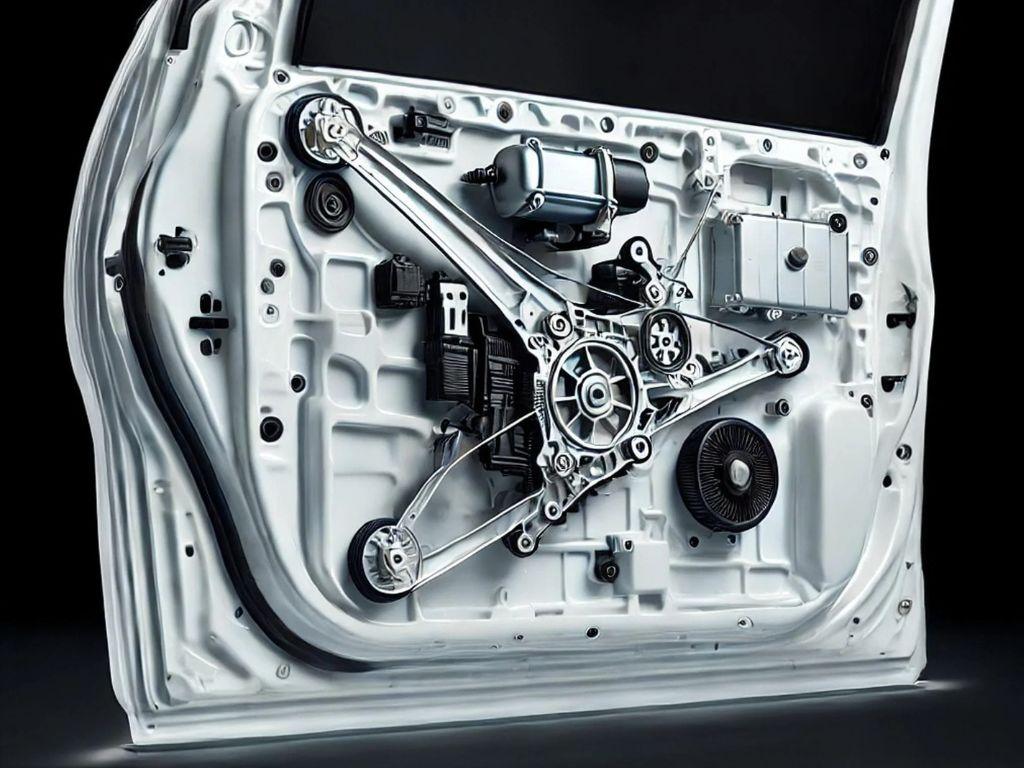
A power window system depends on several parts working together. When you press the switch, an electrical signal tells the motor to engage. The motor then powers the regulator, which moves the glass up or down inside the door. If one part fails, the whole system can stop working as it should.
The reason many drivers get confused is that motor and regulator issues can seem similar at first. A window may stop moving, get stuck halfway, or make a strange sound in both cases.
The difference comes down to whether the problem is electrical, mechanical, or sometimes a mix of both. That is why a proper inspection matters instead of guessing based on one symptom alone.
What the Power Window Motor Does
The motor is the part that creates the force needed to move the window. It responds when you press the switch and sends power into the mechanism that raises or lowers the glass. Without a working motor, the regulator cannot do its job.
When a motor starts to fail, the warning signs often build gradually. You may notice the window moving more slowly than usual, especially in hot weather or after repeated use.
In some cases, the window may work one day and stop the next. You might also hear a humming sound when you press the switch, which can mean the motor is trying to work but does not have enough strength to move the glass properly.
What the Window Regulator Does
The regulator is the mechanical assembly that guides the glass up and down. Depending on the vehicle, it may use cables, tracks, or a scissor-style design. Its job is to convert the motor’s power into controlled movement.
When the regulator fails, the symptoms often look more physical than electrical. The glass may tilt to one side, get stuck halfway, or fall down inside the door. You may also hear grinding, popping, or snapping sounds.
These signs usually point to worn cables, broken guides, or damaged internal parts. In many vehicles, regulator issues are common because the mechanism takes constant strain over time every time the window goes up and down.
Common Signs the Regulator May Be the Problem
A failing motor often gives you small warnings before it stops completely. Watch for these signs so you can address the issue early.
- Delay when pressing the switch – This usually happens when the motor is weakening or when power is not reaching it consistently.
- Intermittent operation – This often comes from an internal motor fault, a loose connection, or worn wiring that causes power to cut in and out.
- Slower movement than usual – This is often a sign that the motor is wearing down and struggling to move the glass at a normal speed.
- Humming or buzzing with little to no movement – This usually means the motor is getting power but does not have enough strength to move the window.
If you notice one or more of these signs, it is best to have the system checked. Catching motor issues early can help you avoid a complete window failure.
Can a Power Window Regulator Be Repaired?
In most cases, a power window regulator is not repaired. It is replaced.
Regulators are made up of cables, pulleys, or mechanical arms that wear out over time. Once these internal parts break or lose tension, they cannot be reliably restored. For example, a snapped cable or bent track will not function properly even if temporarily adjusted.
There are a few situations where minor fixes may help. A technician might realign the glass, tighten loose components, or remove debris from the track. However, these are temporary solutions and do not fix internal damage within the regulator itself.
For long-term reliability, replacement is usually the recommended option. A new regulator ensures smooth movement and reduces the risk of the window failing again shortly after repair.
Common Signs the Motor May Be the Problem
Motor issues usually show up as performance or electrical problems rather than physical movement issues. If you notice how the window responds when you press the switch, you can often spot early signs of failure.
- No movement when pressing the switch – The motor may not be receiving power or has stopped working internally.
- Delay before the window moves – This can indicate a weakening motor or inconsistent electrical flow.
- Intermittent operation – The window works sometimes and fails at other times, often due to internal motor wear or unstable connections.
- Slower movement than other windows – A worn motor may struggle to move the glass at a normal speed.
- Humming or buzzing sound without movement – The motor is receiving power but no longer has enough strength to move the window.
If your window shows these signs, the motor should be tested along with the electrical system to confirm the exact issue.
Can a Power Window Motor Be Repaired?
In most cases, a power window motor is replaced rather than repaired. These motors are usually sealed units, which means the internal components are not designed for simple repair. Once the motor wears out or fails internally, replacing it is often more reliable and more cost-effective than trying to rebuild it.
That said, not every motor-related complaint means the motor itself is bad. Sometimes the problem comes from a blown fuse, a failing switch, damaged wiring, or a weak connection. That is why diagnosis matters.
A technician should test the full system before recommending replacement. If the motor is not receiving proper power, replacing it will not solve the real issue. If the motor has truly failed, though, installing a new one is usually the right fix.
Why Professional Repair Is the Better Choice
Power window repair involves more than swapping out a part. The technician has to remove the door panel carefully, inspect the internal components, test the electrical system, and make sure the glass is aligned correctly during reassembly. If something is installed incorrectly, the window may bind, rattle, or fail again soon after the repair.
Professional service gives you a clearer answer and a more reliable fix. At AMB Auto Glass and Window Tint, that means identifying whether the issue is the motor, the regulator, or another part of the system before recommending work.
Final Thoughts on Motor vs Regulator Issues
If your power window is acting up, the motor and regulator are the two most common causes, but they do not fail in the same way. The motor provides the power. The regulator manages the movement. When you know the difference, the symptoms start to make more sense, and the repair process feels less confusing.
The most important step is not trying to guess the answer on your own. It is getting the system checked before the issue gets worse. If your window is slow, noisy, crooked, or stuck, professional auto power window repair can help you find the real problem and get it handled before it turns into a bigger inconvenience.