

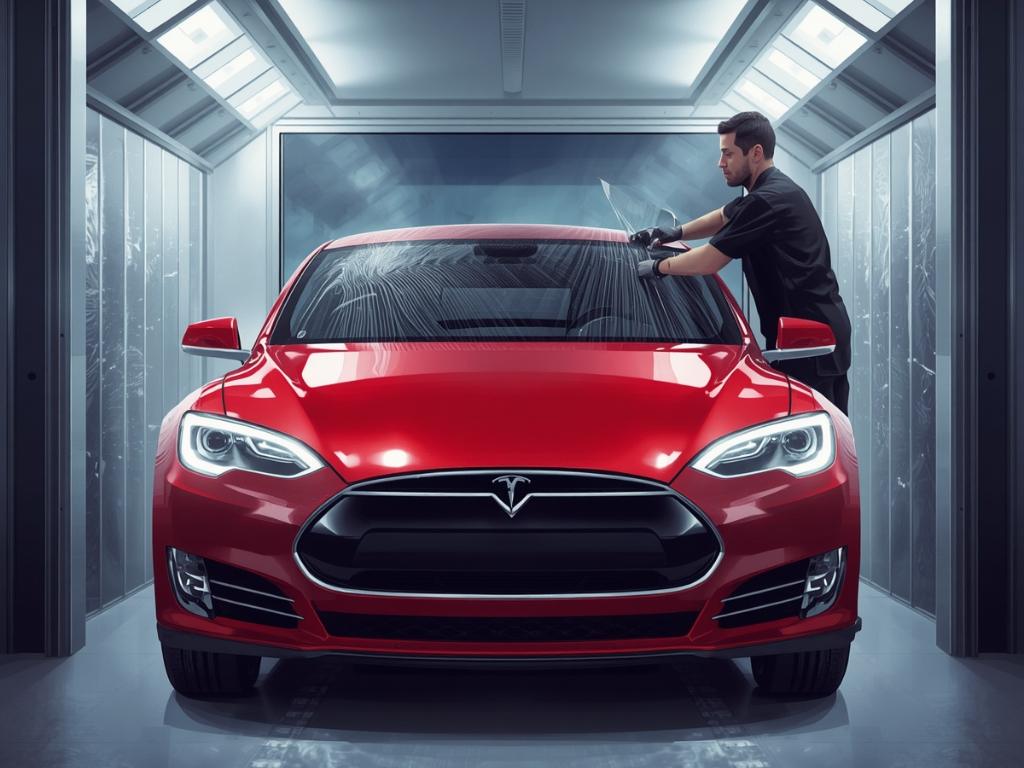
Tesla owners value comfort, performance, and protecting their investment, which is why window tinting for Tesla vehicles has become so popular.
Still, misinformation keeps many drivers hesitant. Some believe Tesla glass blocks enough heat already, while others worry tint will interfere with electronics or damage the roof.
Most of these claims are outdated or false. Here are the biggest Tesla window tinting myths and the facts every owner should know before scheduling an installation.
Why Window Tinting for Tesla Is Different
Teslas are built differently from traditional vehicles. Their large glass roofs and expansive windows create a sleek, modern appearance, but they also allow more sunlight and heat into the cabin.
You will notice this quickly during summer or in warmer climates. Even with factory UV protection, many Tesla owners still deal with hot seats, excessive glare, and overheated interiors after parking outside.
That is why ceramic tint has become a popular choice among Tesla owners. Unlike basic dyed films, ceramic tint helps reduce heat transfer while maintaining visibility and signal clarity.
Understanding how Tesla glass works matters because many tinting myths begin with the assumption that factory glass eliminates the need for additional protection.
Is It Okay to Tint Tesla Windows?
Yes, Tesla windows can absolutely be tinted.
In fact, window tinting for Tesla vehicles has become one of the most common aftermarket upgrades among owners looking for better comfort and protection.
Still, there are a few important things to keep in mind.
First, tint laws vary by state. Some states limit how dark front side windows can be, while others restrict windshield tinting altogether.
Second, Tesla vehicles require experienced installation. Their large rear glass panels and panoramic roofs create additional challenges compared to standard sedans.
Poor installation can lead to:
- Bubbling
- Peeling
- Uneven edges
- Dust contamination
That is why choosing an experienced Tesla tint specialist is so important.
A professional installer, like AMB Auto Glass and Window Tint, understands how to work with Tesla glass shapes, electronics, and roof designs without creating installation problems.
Myth #1: Tesla Factory Glass Makes Window Tinting Unnecessary
This is one of the most common myths surrounding Tesla window tinting.
Tesla factory glass does provide UV protection. However, UV blocking and heat rejection are not the same thing. A cabin can still become extremely hot even when UV rays are filtered.
According to the International Window Film Association (IWFA), high-quality window films can block up to 99% of harmful UV rays while significantly reducing infrared heat transfer. The U.S. Department of Energy also states that solar heat gain through windows is one of the largest contributors to interior heat buildup in enclosed spaces.
This explains why many Tesla owners notice a dramatic improvement in comfort after installing ceramic tint, especially on the roof and side windows.
Factory glass helps, but it does not fully solve the heat issue.
Myth #2: Window Tinting for Tesla Interferes With Electronics
Some Tesla owners worry that window tint can interfere with important vehicle technology and connectivity features. Concerns usually involve GPS performance, Bluetooth connections, and mobile signal reception.
Others also question whether tint could affect advanced Tesla features like Autopilot systems and onboard sensors. These concerns mainly come from older metallic window films that were known to disrupt electronic signals in some vehicles.
Modern ceramic tint works differently. Because ceramic films are non-metallic, they do not interfere with signals or Tesla technology.
That is exactly why most professional installers recommend ceramic tint for Tesla vehicles. It delivers strong heat rejection without affecting connectivity or vehicle performance.
If you choose a reputable installer and high-quality film, signal interference should not be a concern.
Myth #3: Darker Tint Always Means Better Heat Rejection
Many drivers assume a darker tint automatically blocks more heat. That sounds logical, but it is not always true.
Heat rejection depends more on film technology than on darkness level. In many cases, a lighter ceramic film outperforms a darker low-quality dyed film when it comes to reducing heat.
For example, dyed tint is mainly used to improve appearance and reduce glare, but it offers limited heat protection. Ceramic tint, on the other hand, is designed to block infrared heat and harmful UV rays, making it a better option for Tesla owners focused on comfort and interior protection.
This allows Tesla owners to improve cabin comfort without sacrificing visibility during nighttime driving.
Before choosing a film, ask about:
- Infrared rejection percentage
- UV rejection percentage
- Visible light transmission (VLT)
Myth #4: Window Tinting for Tesla Will Damage the Glass Roof
This myth often concerns first-time Tesla owners. Because Tesla roofs are larger and more exposed to sunlight, some drivers assume tint could crack or damage the glass over time.
In reality, professionally installed ceramic tint is specifically designed for automotive glass applications. Problems are far more likely when:
- Cheap film is used
- Installation is rushed
- Improper curing methods are applied
Experienced Tesla tint installers regularly work on panoramic roofs without damaging the glass. The key is choosing high-quality film and an installer with Tesla-specific experience.
Myth #5: DIY Window Tinting for Tesla Saves Money
DIY tint kits often seem appealing because they look cheaper upfront. The problem is that Tesla vehicles are not easy to tint properly.
Curved glass surfaces, oversized rear windows, and large roof panels make installation more difficult than many people expect.
Common DIY mistakes include:
- Dust trapped under the film
- Creases
- Uneven cuts
- Peeling corners
- Air bubbles
Once these problems appear, replacement costs can quickly exceed the price of professional installation.
Professional installers use specialized tools, controlled environments, and heat-forming techniques that most DIY users simply do not have access to. For Tesla owners, professional installation is usually the safer long-term investment.
Do Teslas Cost More to Tint?
In most cases, Teslas cost more to tint than traditional sedans because of their larger glass surfaces and more complex installation process.
Many Tesla models feature large one-piece rear windows and panoramic roofs that require extra film material and advanced installation techniques. Tesla owners also tend to choose premium ceramic tint for better heat rejection and signal-friendly performance.
While the upfront cost is usually higher, many drivers feel the added comfort and interior protection make it a worthwhile investment.
Final Thoughts
Many myths about window tinting for Tesla vehicles come from outdated information and misunderstandings about modern tint technology. High-quality ceramic tint can reduce heat, minimize glare, protect your interior, and improve daily driving comfort. The key is choosing the right film and an experienced installer for long-term performance.
If you are ready to upgrade your Tesla, AMB Auto Glass and Window Tint offers professional Tesla window tinting services designed for comfort, protection, and lasting results. Contact our team today to learn more or schedule your installation.