
Keeping a vehicle looking clean and glossy is one thing. Protecting its paint from everyday road damage is another.
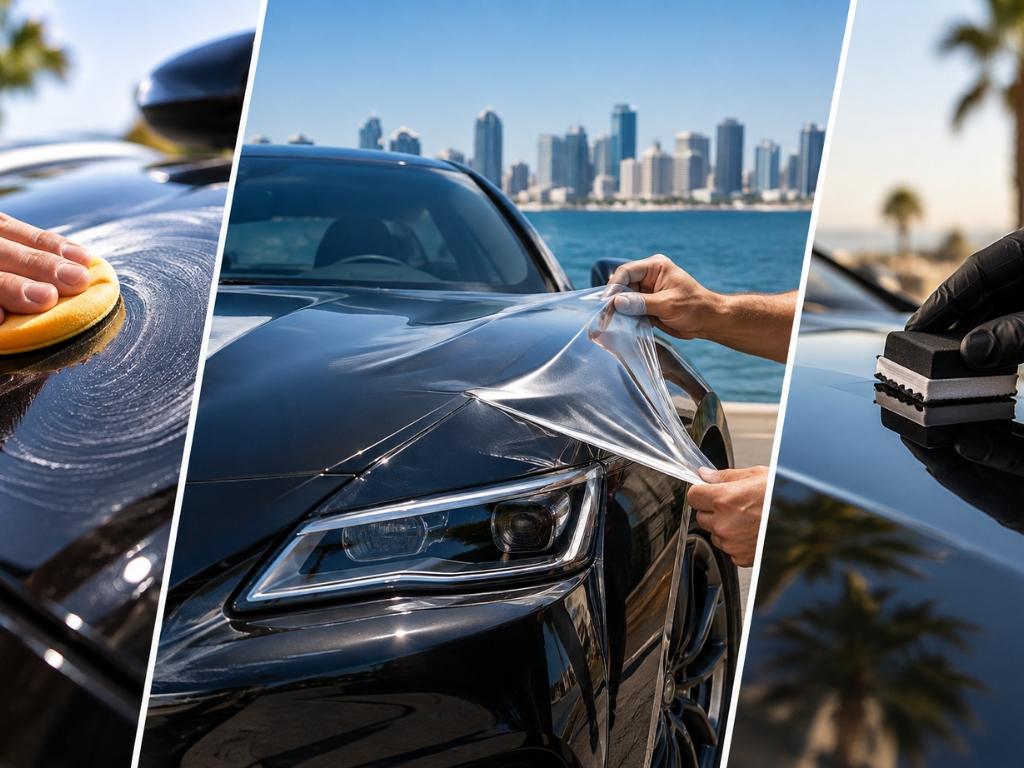
Wax, ceramic coatings, and paint protection film (PPF) can all help preserve a vehicle’s appearance, but they do very different jobs. The biggest difference comes down to physical protection. Wax and ceramic coatings create thin protective layers over the finish, while PPF provides a durable film designed to absorb impacts before they reach the paint.
For drivers considering San Diego PPF, understanding this distinction can make it easier to choose the right protection for how and where they drive.
What Does PPF Do?
Paint protection film (PPF) is a transparent urethane film installed directly over painted vehicle surfaces. It acts as a physical barrier between the factory paint and hazards encountered on the road.
PPF can help protect against:
- Small rock chips and road debris
- Minor scratches and scuffs
- Bug splatter
- Bird droppings
- Road grime and contaminants
- Light abrasions from everyday use
Many modern PPF products also have self-healing properties. Light surface marks in the film can become less noticeable when exposed to heat.
This physical barrier is what separates San Diego PPF from products that primarily protect the surface chemically.
How Is PPF Different From Car Wax?
Traditional automotive wax is mainly used to improve shine and provide temporary protection against environmental contaminants. It can also make water bead on the surface, helping a freshly detailed vehicle maintain its polished appearance.
The tradeoff is durability.
Wax gradually wears away and needs to be reapplied. More importantly, its thin layer is not designed to absorb the impact of a stone or other hard debris traveling toward the vehicle.
That means a freshly waxed hood can still develop a paint chip.
PPF adds actual material between the object and the paint. When debris strikes an area covered with film, the PPF can absorb and distribute some of that impact instead of leaving the painted surface directly exposed.
What About Ceramic Coatings?
Ceramic coatings offer considerably different protection from traditional wax. Once cured, they form a durable chemical bond with the vehicle’s surface and can provide excellent hydrophobic properties.
That makes ceramic coatings useful for resisting water, dirt, chemical contaminants, and environmental exposure. They can also make routine washing easier because contaminants have a harder time sticking to the treated surface.
Ceramic coatings can last much longer than conventional wax, but durability should not be confused with impact resistance.
Even a high-quality ceramic coating is extremely thin. It does not create the same cushioning layer as PPF. A rock can still chip coated paint because the coating was never intended to function as an impact-absorbing film.
This is one of the primary reasons drivers researching San Diego PPF should consider what type of damage they actually want to prevent.
Why Does Physical Paint Protection Matter?
Paint damage can happen surprisingly quickly during normal driving. Gravel, loose road debris, construction materials, and other particles can strike exposed surfaces at speed.
The Insurance Institute for Highway Safety reported that U.S. drivers traveled approximately 3.3 trillion miles in 2023, illustrating just how much time vehicles collectively spend exposed to road conditions and potential hazards.
Certain areas receive more exposure than others. The front bumper, hood, fenders, side mirrors, rocker panels, and areas around wheel openings frequently face direct contact with debris.
PPF allows owners to focus protection on these vulnerable areas rather than necessarily covering the entire vehicle.
Can PPF, Wax, and Ceramic Coating Be Used Together?
Yes. Choosing PPF does not automatically mean giving up the advantages of other detailing products.
In fact, PPF and ceramic coatings are often used together because they solve different problems.
PPF provides the physical barrier. A compatible ceramic coating can be applied over the film and other surfaces to improve hydrophobic performance, simplify cleaning, and enhance gloss.
This combination can be particularly useful for owners who want both impact protection and easier maintenance.
Wax can also be used with some films, although vehicle owners should always follow the PPF manufacturer’s recommendations regarding compatible detailing products.
Where Is PPF Most Useful?
Not every vehicle needs identical coverage. The right San Diego PPF setup depends on driving habits, vehicle type, parking conditions, and how much of the original finish the owner wants to preserve.
Common coverage options include the front bumper, partial or full hood, front fenders, headlights, mirror caps, rocker panels, and door edges. Full-body coverage is another option for drivers seeking more extensive protection.
This can be especially valuable for newer vehicles, luxury or performance cars, and vehicles whose owners place a high priority on maintaining the original paint.
According to AAA, the average age of vehicles on U.S. roads reached 12.6 years in 2024, highlighting how long many owners now keep their vehicles.² Protecting vulnerable paint early can help maintain the vehicle’s appearance over years of ownership.
Choose Protection Based on the Damage You Want to Prevent
Wax, ceramic coatings, and PPF should not be viewed as interchangeable products.
Wax is useful for shine and temporary surface protection. Ceramic coatings provide longer-lasting chemical resistance, hydrophobic performance, and easier maintenance. PPF adds something neither can provide to the same degree: a substantial physical barrier against chips, scratches, and road debris.
For drivers comparing San Diego PPF with other paint-protection options, the key question is simple: What are you trying to protect the vehicle from?
If rock chips and physical paint damage are the main concerns, PPF provides a level of protection that wax and ceramic coatings alone cannot replicate.
Protect Your Vehicle With San Diego PPF
Keeping your vehicle’s paint in great condition starts with protecting it from the hazards you encounter every day. Rock chips, road debris, minor scratches, and other damage can quickly take a toll on exposed paint.
AMB Auto Glass and Window Tint provides professional San Diego PPF installation to help create a durable barrier over vulnerable areas of your vehicle. Contact AMB Auto Glass and Window Tint today to learn more about paint protection film and keep your vehicle looking its best on San Diego roads.