

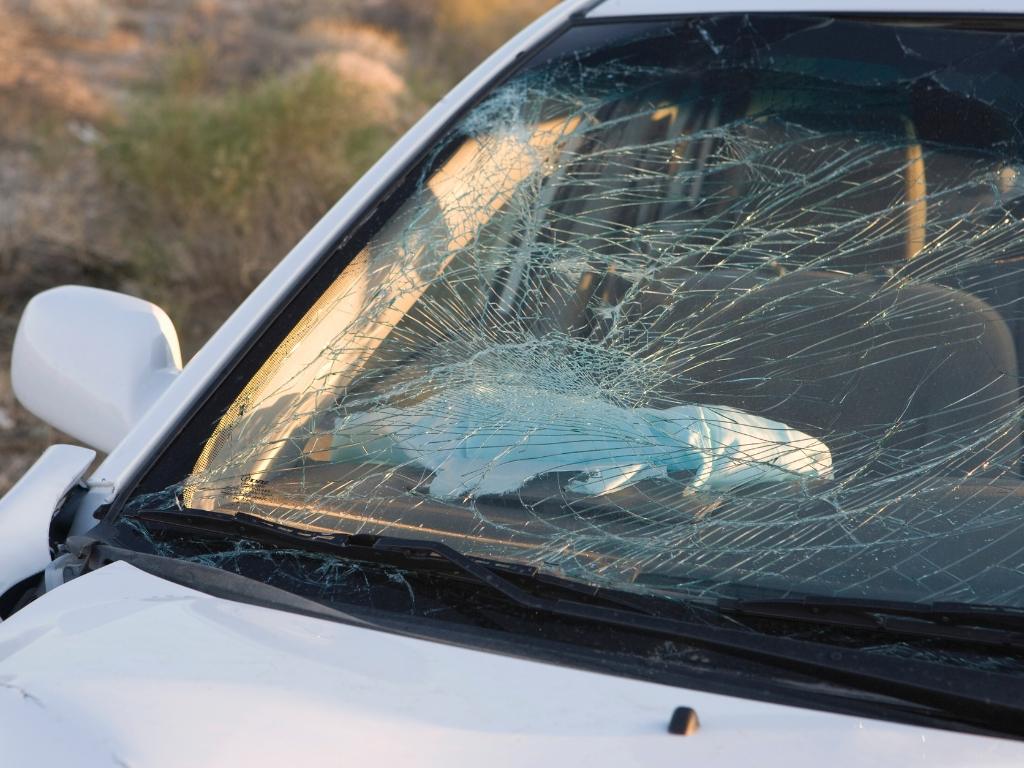
If you drive in areas with strong winds and constant dust, your windshield faces more stress than you may realize. A single gust can lift gravel from the road, push debris into traffic, and send small rocks directly toward your vehicle. At highway speeds, even a tiny object can create a noticeable chip.
Many drivers dismiss minor damage after a windy day. The chip seems small. Visibility looks fine. The assumption is that it can wait.
In dry, dusty conditions, waiting often turns a simple windshield repair into a full replacement. Understanding why this happens helps you make better decisions before the damage spreads.
Why High Winds Create More Windshield Damage
Wind does not just move air. It moves loose material from roads, construction zones, and shoulders. When you combine airborne debris with vehicle speed, the impact force increases significantly.
For example, if you are driving 65 mph and a small rock is carried forward by a gust, the collision happens with compounded speed. That impact often results in a chip instead of a surface mark.
Dust also plays a role over time. Fine particles create minor surface wear. While this wear may not be visible immediately, it reduces the outer layer’s resistance. When a rock hits already stressed glass, cracks are more likely to form.
Have you noticed more chips during certain seasons? Wind patterns and dry weather often explain the difference.
How Dry Conditions Make Cracks Spread Faster
Once a chip forms, environmental factors begin to affect it. In hot, dry climates, windshields expand during the day and contract at night. These temperature shifts create pressure around the damaged area.
At the same time, wind vibration while driving adds repeated stress. Every bump in the road applies movement to the weakened glass.
Dust then settles into the chip. That contamination prevents the glass from staying stable and makes future windshield repair more difficult. The longer debris sits inside the crack, the harder it is to fully seal.
Drivers often ask why a small chip suddenly becomes a long crack overnight. Temperature changes and continued driving stress are usually responsible.
When Windshield Repair Is the Right Solution
Not every crack requires full replacement. In many cases, windshield repair restores strength and prevents further spreading.
Repair is typically possible when:
- The chip is smaller than a quarter
- The crack is short and not deep
- The damage does not block the driver’s line of sight
- The inner glass layer remains intact
Timing is critical. If you address the chip within days instead of weeks, repair success rates increase. Once contamination builds up or the crack extends across the glass, replacement becomes the safer option.
If you are unsure whether your damage qualifies, inspection should happen early. A quick evaluation often saves hundreds of dollars later.
What Happens During Windshield Repair
Many drivers think windshield repair is a quick surface fix, but the process is more technical than it appears. Each step is designed to restore strength, prevent spreading, and ensure the glass performs properly under normal driving conditions.
- Inspection of the Damage
A technician first examines the size, depth, and location of the chip or crack. This determines whether windshield repair is safe or if replacement is the better option. - Thorough Cleaning of the Damaged Area
The damaged section is carefully cleaned to remove dust, moisture, and debris trapped inside the crack. In windy environments, this step is critical because contaminants can prevent the resin from bonding correctly. - Stabilizing the Glass
A specialized tool is placed over the damaged area to create controlled pressure. This stabilizes the crack and prepares it for resin injection. - Resin Injection Under Pressure
A clear, strong resin is injected into the chip or crack. The pressure helps the resin flow into the damaged layers of glass and fill every small gap. - Air Removal From the Crack
Air pockets are extracted to ensure the resin fully penetrates the damaged area. Trapped air weakens the repair and reduces long-term durability. - UV Light Curing
Ultraviolet light is applied to harden the resin. This curing process restores structural integrity and strengthens the glass. - Surface Polishing and Finishing
The repaired area is polished to smooth the surface and improve visibility. While the mark may still be slightly visible, the glass regains its strength and stability.
The goal of windshield repair is not to erase all signs of damage but to stop the crack from spreading and reinforce the windshield. When each step is handled properly, especially in dusty conditions, the repair holds and protects you during daily driving.
How Much Does it Cost to Repair a Windshield
Cost is often the deciding factor for drivers considering windshield repair.
Most repairs range between $75 and $150 depending on the size, depth, and number of chips. Location of the damage also matters. Chips near sensors or within critical viewing areas may require additional care.
Compared to windshield replacement, which can range from several hundred to over a thousand dollars for newer vehicles, repair is significantly more affordable.
Insurance can also influence cost. Many comprehensive policies cover windshield repair with little or no deductible because repairing early prevents more expensive claims later. If your deductible exceeds the replacement cost, paying out of pocket may still make sense.
The key question is whether the damage will stay stable. In high winds and dusty conditions, the risk of spreading increases. Acting early usually keeps repair costs low.
What Happens If You Ignore the Damage
Drivers sometimes delay repair because the vehicle still feels safe to drive. The crack seems small and stable.
However, continued exposure to wind, dust, and temperature swings increases the likelihood of expansion. Once a crack stretches across the windshield, repair is no longer possible.
Replacement then becomes necessary, which involves removing the original glass, installing new glass, and in many vehicles recalibrating driver-assistance systems. That process takes more time and increases total cost.
Beyond cost, structural safety matters. Your windshield supports roof strength and helps airbags deploy correctly. A weakened windshield reduces that support.
Is the short-term delay worth the long-term expense and risk?
Practical Steps to Reduce Future Damage
You cannot control wind or flying debris, but you can reduce how often your windshield takes direct impact. Small driving and maintenance habits lower the risk of chips turning into costly windshield repair.
- Keep a Safe Following Distance
Leave extra space between your vehicle and trucks carrying gravel or construction materials. Most rock chips happen when drivers follow too closely at highway speeds. - Avoid Driving Directly Behind Large Vehicles in Windy Conditions
Strong gusts push debris off truck beds and road shoulders. Changing lanes when possible reduces the chance of airborne objects striking your glass. - Replace Worn Wiper Blades on Time
Old blades drag dirt across the windshield and create surface scratches. Those scratches weaken the outer layer and make future cracks more likely. - Clean Dust and Sand Buildup Regularly
Rinse your windshield before using wipers if heavy dust has settled. Grinding dry particles into the glass increases long-term surface wear. - Park in Protected Areas When Possible
Use garages or covered parking to reduce exposure to wind-driven debris. Even partial shelter lowers repeated stress on your windshield. - Address Chips Immediately
Schedule an inspection as soon as you notice damage. Early windshield repair prevents spreading and keeps costs lower than waiting for a full crack. - Monitor Temperature Changes
Avoid blasting cold air on a hot windshield or pouring hot water on icy glass. Sudden temperature shifts add pressure to already weakened areas.
Consistent habits reduce repeat damage and extend the life of your windshield. Acting early gives you control over repair decisions instead of reacting to a larger problem later.
How AMB Auto Glass and Window Tint Supports Drivers
Windshield damage in windy regions requires careful evaluation. Not every chip needs replacement, and not every repair attempt will hold if contamination is present.
AMB Auto Glass and Window Tint focuses on proper inspection and preparation before recommending a solution. The damage is assessed honestly. If windshield repair is possible, it is handled with attention to cleaning and resin bonding, especially in vehicles exposed to heavy dust.
You deserve clear answers before committing to service. You should know whether the crack will spread, what the repair will cost, and whether replacement is necessary.
Making the Smart Decision Early
Wind and dust are unavoidable in many driving environments. Damage from airborne debris is common. What determines cost and outcome is how quickly you respond.
Addressing a chip within days keeps windshield repair simple and affordable. Waiting increases the chance of full replacement and additional expenses.
If your windshield has taken a hit after a windy day, inspection is the next logical step. Acting early protects your visibility, your safety, and your budget.